
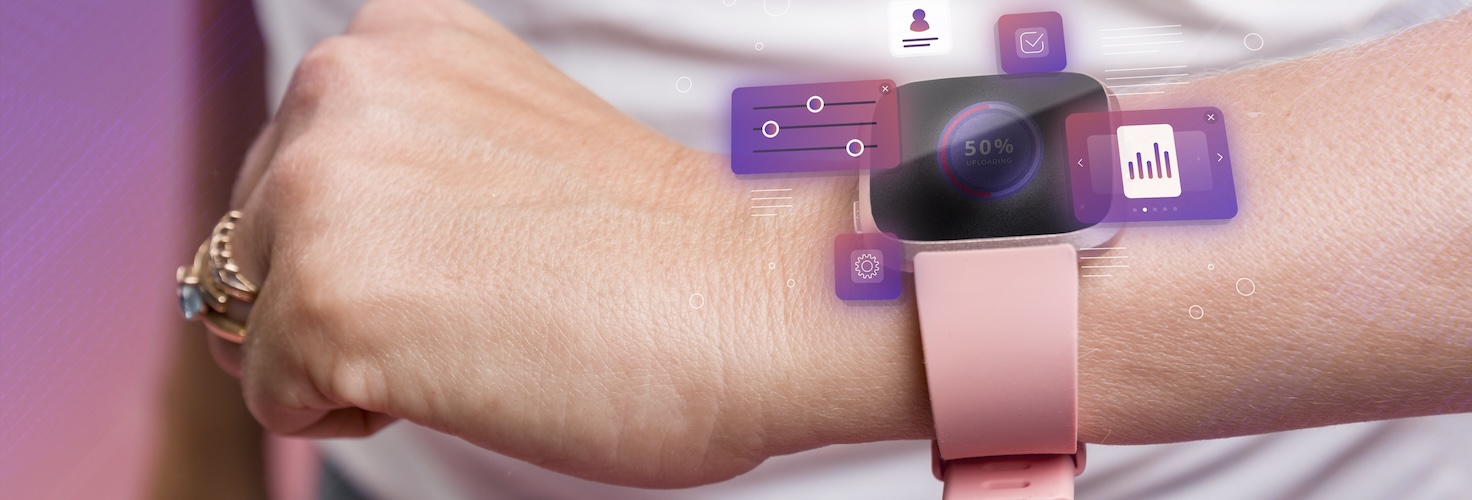
Wearable technology has grown from a niche product category into an important extension of the mobile ecosystem. Smartwatches, fitness trackers, smart rings, connected health sensors, and early AR devices are changing how people track their wellbeing, navigate the world, and interact with information. As these devices become more capable and more personal, the expectations placed on wearable apps are increasing. Users want quick interactions, timely insights, and seamless experiences that work naturally with their routines. Designing for the next generation of wearables requires a new mindset that focuses on clarity, simplicity, and contextual relevance.
Understanding the Role of Wearables in Everyday Life
Wearables thrive in micro moments. Unlike phones, which are used for longer, more detailed interactions, wearable devices support quick glances, short actions, and timely notifications. They sit on the wrist, finger, or face, collecting data and offering insights throughout the day. This means wearable apps must respect the user’s attention and deliver value instantly. An effective experience does not try to replicate the phone. It complements it.
As wearables evolve, they will continue to integrate deeper into routines such as fitness sessions, sleep cycles, work patterns, and recovery periods. Designers must understand these real world contexts and craft experiences that feel natural and effortless.
The Rise of Passive Intelligence
One of the most significant advantages of wearable devices is their ability to collect rich physiological and behavioural data. Heart rate variability, sleep quality, movement patterns, stress levels, and even temperature changes can now be measured accurately. Users do not want raw numbers. They want clear, actionable insights.
Leading apps such as Oura, WHOOP, and Fitbit demonstrate how to turn complex data into simple, personalised guidance. Future wearable apps will need to focus on:
i. Calm, easy to read data visualisations
ii. Daily summaries supported by long term trends
iii. Personalised recommendations based on real behaviour
iv. Actionable next steps rather than technical detail
This transformation of data into meaning is what keeps users engaged and motivated.
Designing for Frictionless Interaction
Wearables demand a lightweight interaction model. Users should be able to complete key actions with a tap, swipe, gesture, or quick voice instruction. Good wearable UX prioritises:
i. Short flows that take seconds, not minutes
ii. Clear visual hierarchy for glanceable information
iii. Smart use of haptics for subtle, supportive feedback
iv. Notifications timed to moments when information is most relevant
Apple Watch and Wear OS devices illustrate this well through widgets, complications, and glanceable cards. The goal is not to overwhelm users but to present the right information at the right time.
Personalisation as a Core Expectation
Wearables are highly personal devices. They track the user’s health, habits, and environment. As a result, users expect apps that adapt to their goals. With advances in machine learning, wearable apps can now provide dynamic recommendations.
Examples include:
i. Adjusting activity targets based on sleep quality
ii. Suggesting short recovery exercises when stress indicators rise
iii. Recommending hydration or rest based on temperature and effort
iv. Highlighting trends that help users build better habits
These small nudges help turn wearable apps into trusted daily companions.
Health, Wellbeing, and Responsible Design
Wearables play an increasingly important role in health and wellbeing. People rely on them to monitor conditions, track recovery, and stay connected to healthcare professionals. This creates a responsibility for designers to communicate health insights with care.
Best practice includes:
i. Clear, reassuring language
ii. Balanced presentation of information
iii. Avoiding alarmist messages
iv. Providing next steps for unusual results
Users should feel supported, not stressed.
Interoperability and Cross Device Journeys
Wearable apps rarely operate alone. They are part of an ecosystem that includes smartphones, tablets, cloud services, and sometimes medical platforms. A user might begin a task on a watch, continue it on the phone, and complete it elsewhere. A strong wearable experience feels continuous across all devices.
This requires:
i. Consistent design patterns
ii. Seamless syncing of preferences and data
iii. Timely handoff between devices
iv. Thoughtful use of notifications to keep context clear
Future wearables will rely even more heavily on multi device journeys.
Designing for Battery Efficiency
Battery life remains one of the most important limitations of wearable devices. Every animation, background task, or sensor read affects performance. Designers must ensure that apps feel smooth without draining power.
This means:
i. Minimising visual complexity
ii. Using colour and brightness carefully
iii. Scheduling background activity intelligently
iv. Reducing unnecessary refreshes
Apps that feel fast and efficient build stronger trust over time.
Preparing for AR and Mixed Reality Wearables
As AR glasses and mixed reality headsets mature, designers will need to rethink their approach entirely. These devices present information in the user’s field of view rather than on a screen. Spatial design becomes central.
Key design principles for AR wearables include:
i. Prioritising clarity and legibility
ii. Anchoring information to meaningful points in the environment
iii. Reducing visual clutter
iv. Supporting hands free interaction through gesture or voice
This category is still emerging, but early adoption will give brands a strategic advantage.
Shaping the Future of Wearable Experiences
Wearables offer an opportunity to create highly personal, context aware digital experiences. As devices evolve, the most successful apps will be those designed with empathy, simplicity, and precision. Wearable UX is about delivering the smallest possible interaction that creates the greatest possible value. When teams approach design with this mindset, wearables can become trusted daily partners that help people feel supported, informed, and more connected to their own wellbeing.

