
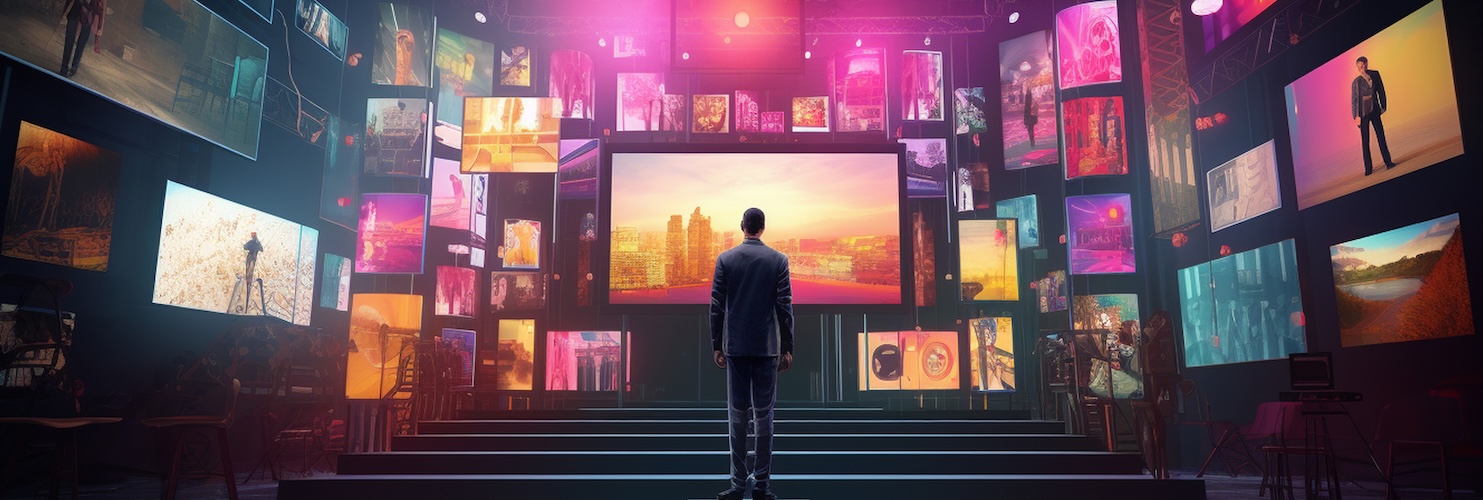
Mobile apps are moving beyond screens. Users expect technology to respond to their environment and behaviour with less direct interaction. Ambient experiences reduce the need for constant input and focus on delivering outcomes with minimal effort.
This shift changes how apps are designed, used, and measured.
What ambient UX means
Ambient UX focuses on context rather than direct interaction. Apps respond based on behaviour, location, and environment.
This includes smart notifications, passive updates, and context-aware features that support users without requiring constant attention.
Why this shift matters
Users do not want to manage apps continuously. They want results with minimal effort.
Reducing interaction steps improves efficiency and supports real-world usage where attention is limited.
Role of spatial computing
Spatial computing supports interaction beyond flat screens. It allows apps to respond to movement, environment, and physical space.
This enables new types of experiences that improve understanding and usability in real-world contexts.
Designing ambient experiences
Ambient systems must be predictable and controlled. Users need to understand what is happening and maintain control over their experience.
Clear feedback, minimal disruption, and relevant timing are essential.
Technology considerations
Ambient UX depends on sensors, AI, and integration across systems. These elements must work together reliably to support consistent experiences.
Pocket App supports teams in designing ambient systems that align with product goals and user context.
https://www.pocketapp.co.uk
Conclusion
Ambient UX reduces effort and supports real-world use. Apps that adapt to context deliver more efficient and engaging experiences.
This approach supports long-term engagement and product relevance.

