
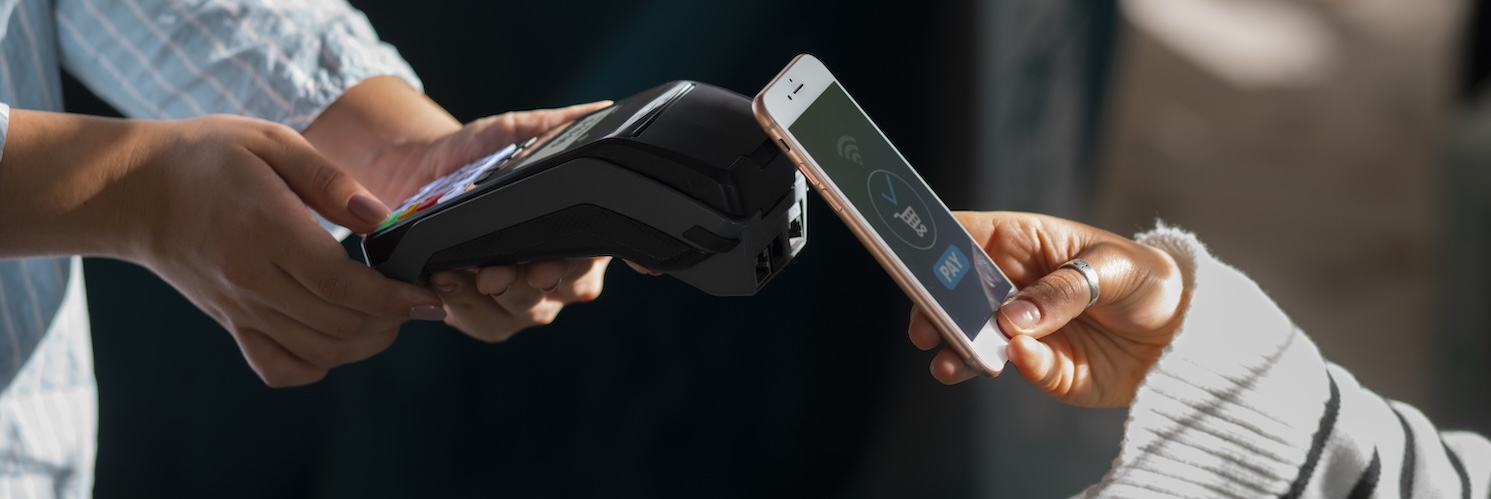
Mobile payments have become part of everyday behaviour. Users expect fast checkout, secure authentication, and payment options that match how they already shop.
Digital wallets, contactless payments, embedded checkout, and account-to-account payment flows are changing what users expect from mobile apps. Payment experience now affects conversion, trust, and retention.
For app developers, the future of mobile payments is not only about adding more payment methods. It is about designing payment journeys that feel clear, safe, and low effort.
Why payment experience affects conversion
Payment is a high-risk moment in the user journey. Users decide quickly whether the app feels trustworthy.
Small friction points create drop-off. Unclear fees, slow confirmation screens, limited payment options, or confusing authentication all reduce confidence.
Strong payment UX removes uncertainty. It explains what happens next, confirms progress, and gives users control without adding unnecessary steps.
Digital wallets are becoming default behaviour
Digital wallets have moved from convenience feature to expected option. Apple Pay, Google Pay, and other wallet services reduce typing, support biometric authentication, and speed up checkout.
For app teams, wallet support often improves conversion because users avoid entering card details manually. The interaction feels familiar and secure.
Wallet-first design also reduces error. Fewer forms mean fewer failed entries and less frustration.
Contactless behaviour shapes expectations
Contactless payment habits influence in-app expectations. Users who tap to pay in-store expect similar speed online.
This creates pressure on mobile checkout journeys. A long checkout flow feels outdated when users complete many payments in seconds elsewhere.
App developers need to reduce checkout steps, simplify payment confirmation, and provide reassurance at the right moments.
Security must feel visible
Payment security should not feel hidden. Users need reassurance that payment data is protected.
Biometric authentication, trusted device prompts, fraud checks, and clear confirmation screens all support confidence. The experience should feel secure without feeling slow.
Pocket App helps teams design payment and authentication journeys that balance security, conversion, and user trust.
https://www.pocketapp.co.uk
Embedded payments and smoother journeys
Embedded payments reduce friction by keeping users inside the app experience. Travel, retail, marketplace, and service apps all benefit when payment feels like a natural part of the flow.
The goal is to remove unnecessary context switching. Users should not feel pushed away from the main journey to complete payment.
Clear pricing, simple review steps, and fast confirmation improve confidence.
Alternative payment methods and market fit
Payment preferences vary by market. Some users prefer cards. Others rely on wallets, bank transfers, mobile money, or local payment providers.
Global apps need local payment strategy. A payment method that works well in one region might underperform in another.
Pocket App supports product teams in planning payment flows that reflect user behaviour, region, and commercial goals.
https://www.pocketapp.co.uk/mobile-app-development
Trust, compliance, and consent
Payment innovation increases responsibility. Users expect clear privacy information, secure data handling, and transparent consent.
Compliance matters, but the user experience matters too. Long legal language does not build trust. Clear explanations do.
Apps should explain why information is needed, how payment is processed, and what control the user has.
What app teams should prioritise
Mobile payment strategy should focus on clarity, speed, and trust.
Teams should review checkout analytics, failed payment rates, authentication drop-off, and support queries. These signals show where friction exists.
Payment improvements often deliver measurable value because they sit close to revenue.
What this means for you
The future of mobile payments belongs to apps that make payment feel fast, safe, and familiar.
Digital wallets, contactless habits, embedded checkout, and local payment preferences all shape user expectations. Teams that design payment as a core user experience will reduce friction and improve conversion.
Mobile payments and user confidence
Payment moments carry emotional weight. Users are sharing financial information, confirming spend, and trusting the app to process the action correctly.
Design should reduce uncertainty at each step. Pricing needs to be clear before confirmation. Fees should never feel hidden. Success states should appear immediately and explain what happens next.
A good payment journey helps the user feel in control from basket to confirmation.
The role of biometrics
Biometric authentication has changed payment expectations. Fingerprint and face recognition reduce password friction while reinforcing a sense of protection.
For mobile apps, biometrics work best when used at high-value moments. Login, payment approval, card management, and account changes are natural points for biometric confirmation.
The interaction should feel fast and familiar. If authentication feels heavy or unclear, users lose confidence.
Designing for failed payments
Failed payment flows are often overlooked. They matter because they occur at a moment where intent is already high.
Users need clear guidance, not vague error messages. The app should explain whether the issue relates to the card, wallet, bank, network, or authentication.
A strong failed payment flow offers a next action quickly. Try another method, check details, contact provider, or save the order. This protects conversion and reduces support demand.
Payment localisation
Payment strategy should reflect market behaviour. Digital wallets, bank transfers, mobile money, and local payment providers vary by region.
A global product needs payment localisation in the same way it needs language localisation. Users trust payment options they recognise.
Pocket App helps teams consider payment preferences as part of wider app strategy, especially when products need to support users across different markets.
https://www.pocketapp.co.uk
Measuring payment performance
Payment performance should be tracked closely. Important signals include checkout completion, payment failure rate, authentication drop-off, refund requests, and support queries.
These metrics show where friction exists and whether changes improve conversion.
Pocket App supports teams in connecting payment journey analytics with user experience improvement, helping payment flows become clearer, faster, and more reliable.
https://www.pocketapp.co.uk/mobile-app-development
Reducing friction in checkout design
Checkout should feel direct. Users should see what they are paying, how they are paying, and when the payment has completed.
Many checkout flows fail because they ask for too much information too early. Guest checkout, wallet payment, saved details, and clear progress states all reduce effort.
A strong payment journey also handles interruptions well. Users should return to the same basket or payment state after switching apps, confirming identity, or checking bank details.
Designing payment recovery journeys
Payment recovery is as important as payment success. If a payment fails, the user should not lose their basket, booking, or progress.
The app should explain what happened in plain language and provide a clear next action. The best recovery flows reduce anxiety and protect intent.
This matters across retail, travel, subscription, and booking apps where payment failure often leads to lost revenue.
Mobile payments and loyalty
Payment experiences also shape loyalty. Smooth payments encourage repeat use because users trust the process.
This matters in apps where transactions happen often, such as transport, food, retail, ticketing, and finance. When payment becomes familiar and low effort, repeat usage increases.
Teams should view payment design as part of retention strategy, not only conversion strategy.
Preparing for future payment expectations
Payment technology will keep moving toward faster confirmation, stronger identity checks, and more localised options.
App teams should build flexible payment architecture so new methods are added without disrupting the wider product.
This creates room for new wallet options, account-based payments, loyalty integration, and stronger fraud protection as user expectations evolve.
Where mobile payments go next
The next phase of mobile payments will focus on choice and confidence. Users will expect the right method to appear at the right moment, with minimal setup and clear confirmation.
For developers, the priority is flexible architecture. Payment providers, wallet options, fraud checks, and regional preferences will keep changing. A product that adapts easily will respond faster to market demand.
Payment design should sit close to product strategy because it affects revenue, retention, and trust.

