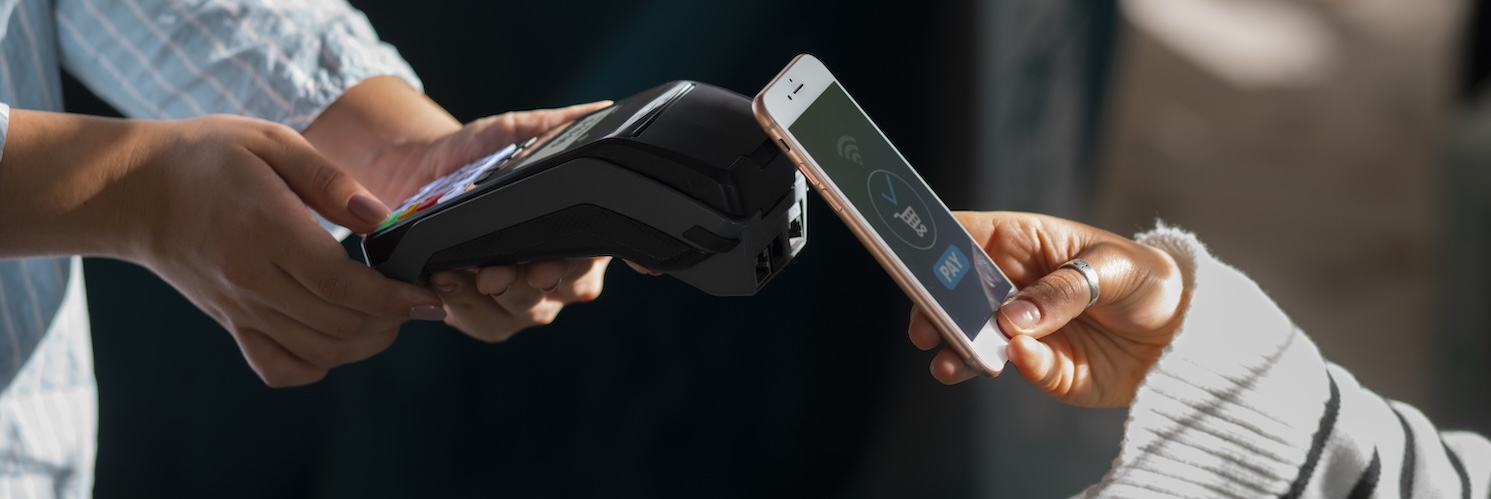
The Future of Mobile Payments: Trends and Technologies to Watch
Mobile payments have become part of everyday behaviour. Users expect fast checkout, secure authentication, and payment options that match how they already shop. Digital wallets,

Mobile payments have become part of everyday behaviour. Users expect fast checkout, secure authentication, and payment options that match how they already shop. Digital wallets,

Wearable technology has moved from a specialist category into daily life. Smartwatches, fitness trackers, smart rings, and connected health devices now support health monitoring, fitness

Sustainability in Digital Design: Reducing the Carbon Footprint of Apps explores how modern mobile products improve long-term performance through stronger product thinking, UX strategy, and

Scaling Without Breaking: Preparing for High Traffic Moments explores how modern mobile products improve long-term performance through stronger product thinking, UX strategy, and continuous optimisation.
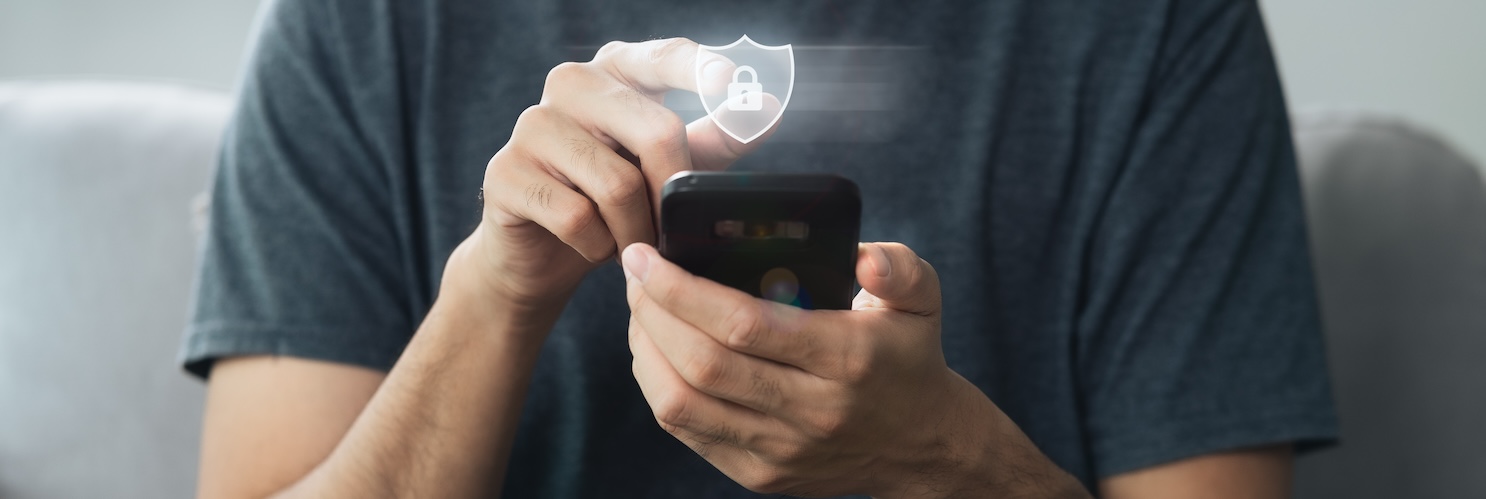
The Human Side of App Privacy explores how modern mobile products improve long-term performance through stronger product thinking, UX strategy, and continuous optimisation. Users compare

Standing Out in a Saturated Market: Brand Positioning for Mobile Apps explores how modern mobile products improve long-term performance through stronger product thinking, UX strategy,

Users expect apps to improve continuously. Bugs should be fixed quickly. Performance should remain stable. Features should evolve without disruption. Continuous deployment helps teams meet

Mobile apps are moving beyond screens. Users expect technology to respond to their environment and behaviour with less direct interaction. Ambient experiences reduce the need
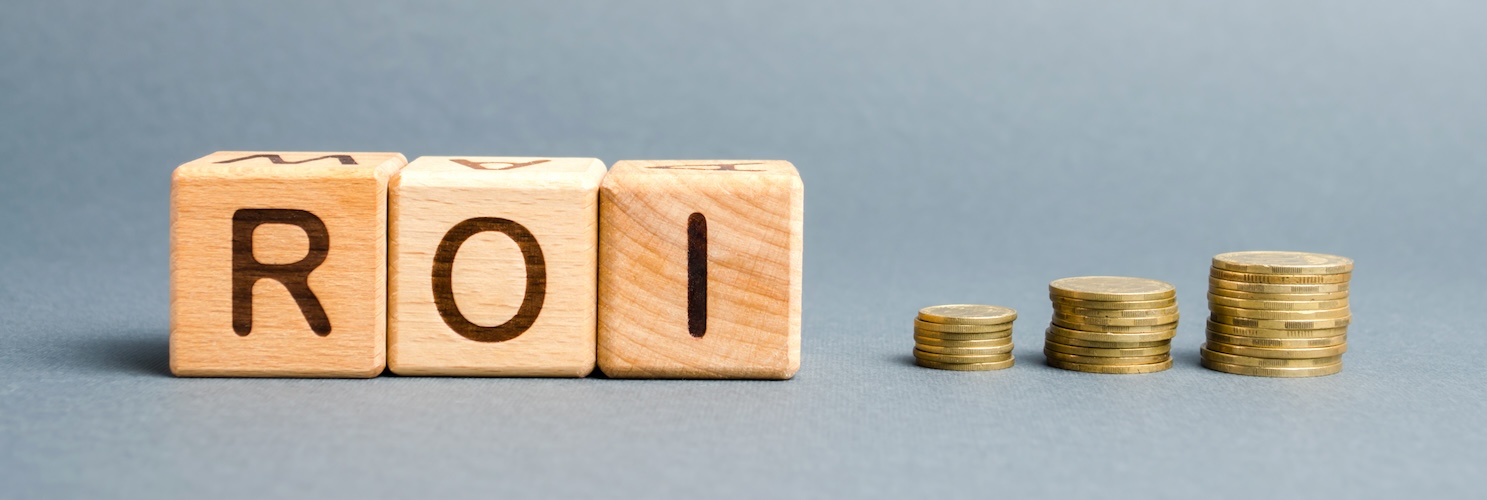
Accessibility is often treated as a requirement rather than a growth opportunity. In practice, accessible design improves usability for all users. It reduces friction, increases
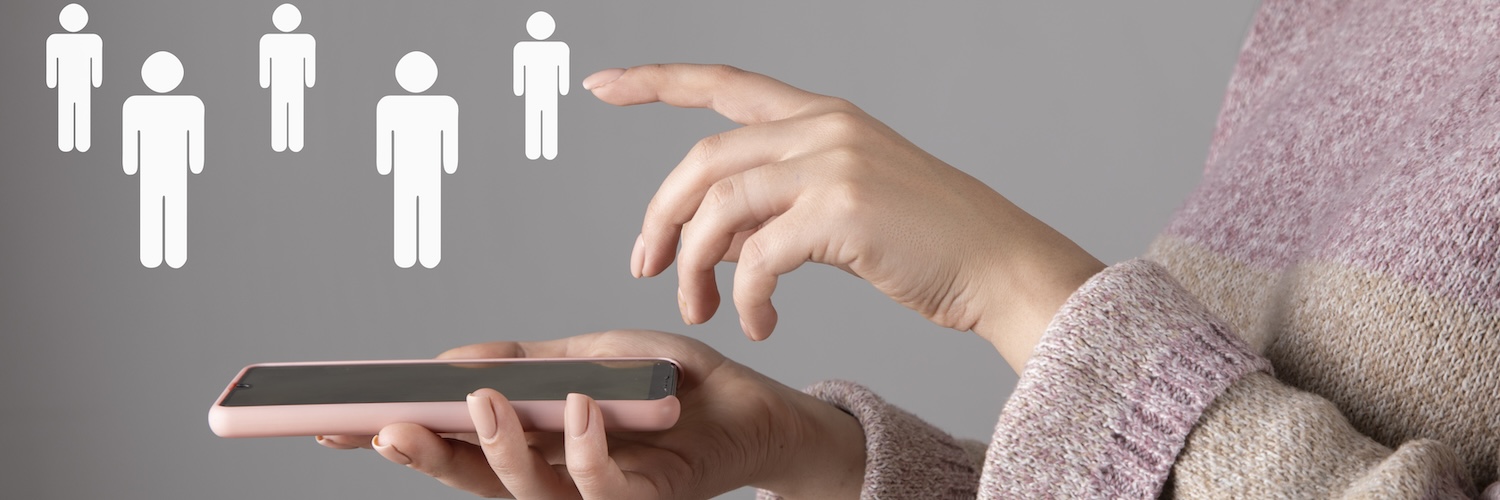
Users expect apps to respond quickly and with minimal effort. They do not want to search, filter, or repeat actions. Predictive design reduces friction by

